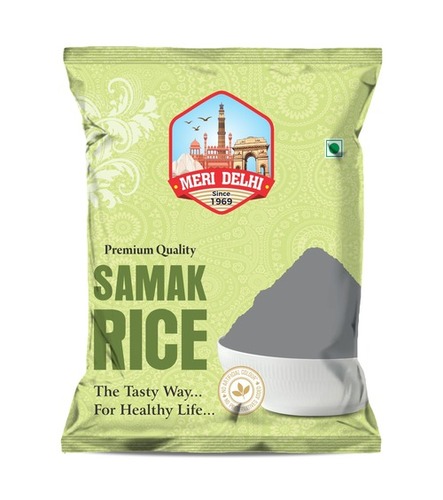
About Samak Rice
Product Name: Samak Rice (Barnyard Millet)
Scientific Name: Echinochloa esculenta
Appearance:
- Color: Small, round grains that are usually white to light brown
- Size: Typically smaller than common rice grains
Moisture Content: Maximum 12%
Flavor Profile:
- Mild, nutty flavor with a slightly earthy undertone
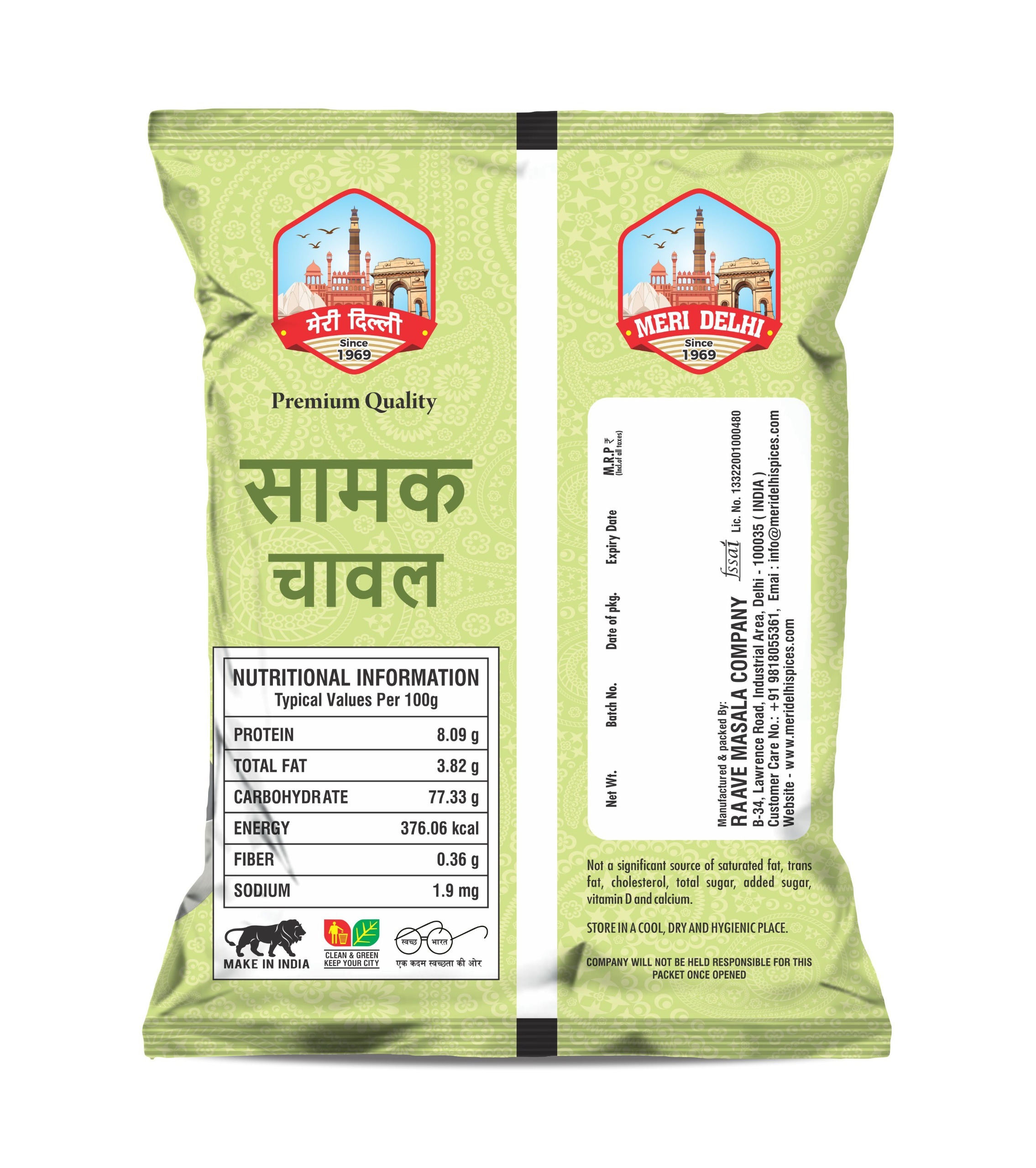
Nutritional Information (per 100g):
- Protein: Approximately 11-13g
- Carbohydrates: Approximately 70-75g
- Dietary Fiber: Approximately 15g
- Fat: Approximately 2-3g
Origin:
- Commonly grown in India and parts of Asia
Packaging:
- Available in various sizes (500g, 1kg, etc.)
- Recommended storage in airtight containers in a cool, dry place
Shelf Life:
- Up to 1 year when stored properly
Uses:
- Frequently used as a substitute for rice in fasting foods and traditional dishes
- Can be cooked as a grain, used in salads, or ground into flour for various recipes
Quality Standards:
- Free from foreign matter and contaminants
- No artificial additives or preservatives
Certifications: (if applicable)
- Organic, Non-GMO, ISO, etc.
Nutritional Richness for Everyday WellnessSamak Rice (Barnyard Millet) stands out for its impressive nutritional profile-energy-packed, high in protein and fiber, and naturally gluten-free. This makes it an excellent choice for those managing dietary restrictions or seeking a nutrient-dense alternative to traditional grains. The mild, subtle flavor easily complements savory or sweet recipes.
Versatile, Easy-to-Prepare GrainSamak Rice is remarkably convenient and can be used in multiple recipes, especially during fasting (vrat) periods. Simply rinse the grains thoroughly before cooking. Whether you're preparing porridge, upma, khichdi, or desserts, Samak Rice adapts well and remains gentle on the digestive system.
Freshness and Quality AssuranceHarvested from the current season and carefully processed, Samak Rice is cleaned, hulled, and packed under hygienic conditions to maintain its A-grade quality. Its longer shelf life (up to 12 months) ensures a steady supply of wholesome grains suitable for your pantry.
FAQ's of Samak Rice:
Q: How should I cook Samak Rice for optimal texture?
A: Rinse Samak Rice thoroughly with water to remove any impurities. For best results, use a 2:1 water-to-rice ratio and cook until the grains are soft. This method works well for making dishes such as porridge, upma, or fasting khichdi.
Q: What benefits does Samak Rice offer compared to regular rice or wheat?
A: Samak Rice is gluten-free, rich in dietary fiber, and high in plant-based protein. Its easy digestibility makes it suitable for sensitive stomachs, and it's ideal for fasting periods or those seeking a wholesome, allergen-friendly grain.
Q: When is Samak Rice typically consumed, and for what dishes is it suitable?
A: Samak Rice is especially popular during fasting periods (vrat) in India, but can also be enjoyed year-round. It is versatile and can be used in a range of dishes, including porridges, upma, khichdi, and traditional desserts.
Q: Where is this Samak Rice sourced and packed?
A: Our Samak Rice is sourced from premium crops harvested in India during the current year. It is cleaned, hulled, and packed in secure poly packs or PP bags to ensure lasting freshness and quality.
Q: What makes Samak Rice suitable for people with dietary restrictions?
A: Samak Rice is naturally gluten-free, with no added ingredients or allergens, making it safe for individuals with gluten intolerance or celiac disease. Its nutritional value and easy digestibility cater to various health and dietary needs.
Q: What is the shelf life and best way to store Samak Rice?
A: Samak Rice has a shelf life of up to 12 months when stored in a cool, dry place away from direct sunlight. Keep it sealed in its original packaging or an airtight container to maintain its freshness and quality.







 Send Inquiry

 Send Inquiry